Ad Reader-supported. We may earn a commission if you buy through links on this page, at no extra cost to you. As an Amazon Associate I earn from qualifying purchases. How we make money
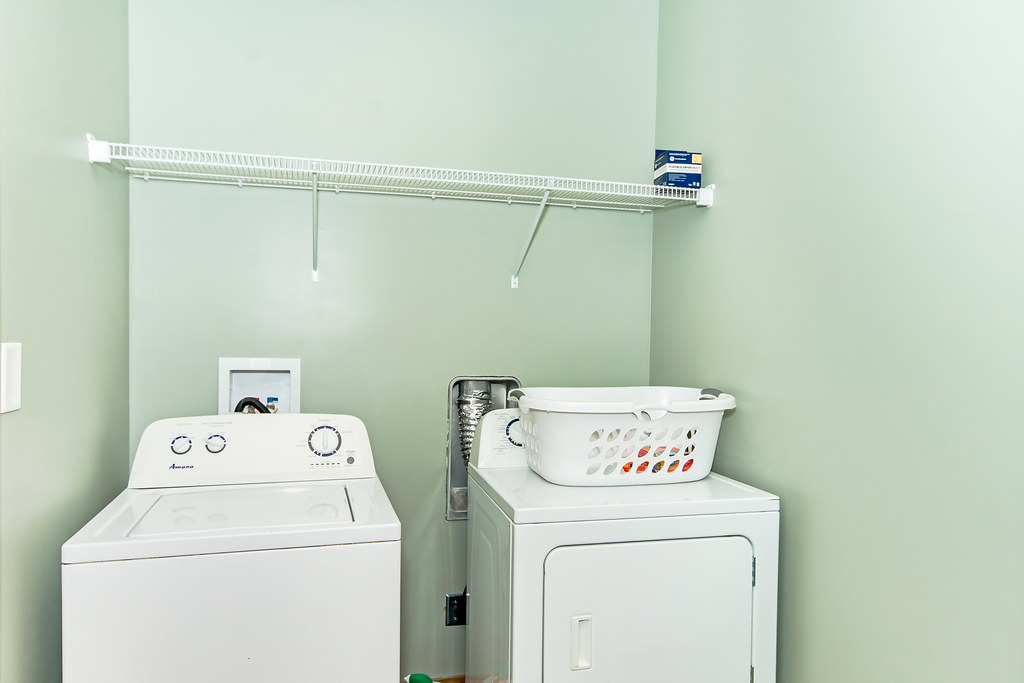
The space above a washer and dryer (a washing machine and tumble dryer in the UK) is usually empty wall. A shelf there holds detergent, baskets and towels — but it has to clear lids, survive vibration and stay put.

Types compared
| Type | Fixing | Capacity | Best for | Watch out |
|---|---|---|---|---|
| Freestanding over-washer unit | None (anti-tip strap advised) | 2–3 shelves | Renters | Inside width must clear both machines |
| Wall shelf on brackets | Screws into studs/masonry | Depends on brackets | Owners | Drilling; find studs |
| Wall cabinet | Screws | Closed storage | Hiding clutter | Doors need opening clearance |
| Stacking-kit shelf (stacked machines) | Varies | Small | Stacked units | Follow manufacturer’s stacking kit rules |
Ad Compare current options on Amazon ↗Paid link · prices and availability on Amazon
What to measure
- Combined width of the machines, plus any gap between them.
- Height of the machines — and the lid’s open height for top-loaders.
- Depth from wall to machine front, minus hoses and vent.
- Ceiling height (for freestanding units).
Specs that matter
- Inside clearance: width between legs and height under the lowest shelf.
- Load rating per shelf — detergent refills are heavy.
- Adjustable feet for uneven floors.
- Vibration: washers vibrate during spin. A freestanding unit should not touch the machines.
- Anchoring: tall units should be strapped to the wall.
Safety
- Never rest a shelf on the machines.
- Keep the dryer vent clear.
- Keep detergent pods out of children’s reach.
FAQ
How high should a shelf be above a top-loading washer?
High enough for the lid to open fully plus room for your hand — check the open-lid height in the manual.
Will a freestanding unit fit two machines side by side?
Some are made for that width; many are sized for a single machine. Compare the inside width with your measurement.